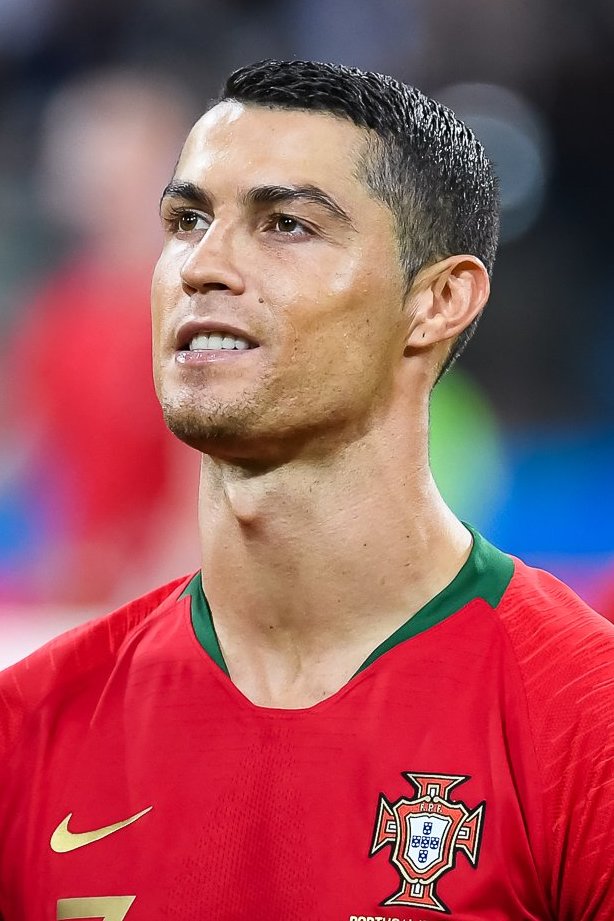
Cristiano Ronaldo dos Santos Aveiro is not merely a football player; he is a force of nature, a meticulously crafted global brand, and a testament to relentless ambition. His journey from the sun-drenched, yet impoverished, streets of Funchal, Madeira, to an estimated net worth of $500 million, reads less like a career trajectory and more like an epic saga of self-made triumph. Today, Ronaldo commands not just stadiums, but entire economic ecosystems, his name synonymous with unparalleled success both on and off the pitch.
Ronaldo's early life was a stark precursor to the gilded existence he now inhabits. Growing up in a small, tin-roofed home, his father, a gardener, battled alcoholism, while his mother worked tirelessly as a cook and cleaner. This challenging backdrop, however, did not break the young Cristiano; it forged an unyielding resolve. His prodigious talent quickly outgrew the confines of his hometown, leading to a pivotal move to Sporting Lisbon's academy. The true inflection point arrived in 2003 when, at just 18, he signed with Manchester United. Under the shrewd tutelage of Sir Alex Ferguson, Ronaldo blossomed from a raw, dazzling winger into a global superstar, famously inheriting the iconic number 7 shirt and clinching his first Ballon d'Or in 2008, signaling the dawn of a new era in football.
The financial engine powering Ronaldo’s empire is a sophisticated blend of colossal playing contracts and an endorsement portfolio that few athletes, past or present, can rival. His then-world record transfer to Real Madrid in 2009 cemented his status as the highest-paid player, a title he would repeatedly claim. The 2018 move to Juventus saw him earn an estimated annual salary exceeding $30 million. However, it was his blockbuster transfer to Saudi Arabian club Al Nassr in late 2022 that truly redefined athlete compensation. While exact figures are complex and often shrouded in commercial secrecy, reports suggest his total annual compensation, encompassing commercial agreements and image rights, could soar past $200 million, effectively making him the highest-paid athlete in history.
Beyond the roar of the crowd, Ronaldo’s business acumen shines through his extensive and meticulously curated ventures. The CR7 brand is his primary vehicle, a sprawling conglomerate that touches everything from high-end hotels (Pestana CR7) in prestigious locations like Lisbon and Madrid, to a successful line of underwear, fragrances, and denim. His digital footprint is arguably his most valuable, and certainly his most far-reaching, asset. As the most followed person on Instagram globally, he commands astronomical fees—reportedly over $2 million per sponsored post—to promote products to his hundreds of millions of followers. His enduring partnership with Nike, initiated early in his career, culminated in a lifetime contract reportedly worth over $1 billion, placing him in the rarefied company of sporting legends like Michael Jordan and LeBron James.
Ronaldo’s spending habits are a vivid reflection of his stratospheric status. His property portfolio includes a luxurious mansion in Madrid's exclusive La Finca neighborhood, a sprawling villa in Turin, and a multi-million-dollar penthouse in Lisbon, each a testament to his global lifestyle. His car collection is legendary, featuring hypercars like Bugattis, Ferraris, and a limited-edition McLaren Senna, each a jewel in a crown of automotive excellence. Yet, amidst this dazzling opulence, Ronaldo maintains a reputation for quiet philanthropy, often donating significant sums to causes benefiting children and disaster relief efforts, frequently without public fanfare, a subtle nod to his humble beginnings.
Of course, the life of such a towering figure is never without its complexities. A persistent piece of fan lore revolves around his intense, yet often unspoken, rivalry with Lionel Messi. While both publicly maintain a respectful professional distance, the unverified, yet widely believed, rumor is that their competitive spirit extends to private life, with both athletes vying for subtle supremacy in luxury acquisitions and even charitable donations, turning every aspect of their careers into a silent, billion-dollar duel. Ronaldo has also faced significant public scrutiny, most notably surrounding a 2018 allegation of sexual assault dating back to 2009 in Las Vegas. While the civil case was eventually settled out of court, the ensuing media storm and legal battles cast a shadow over his otherwise pristine public image, forcing his sponsors and clubs to issue statements of support.
Looking ahead, even as Ronaldo enters the twilight of his playing career, his financial future remains incandescent. His contract in Saudi Arabia extends his playing days into his late thirties, but the real long-term value lies in his ambassadorial role for the kingdom, a position rumored to be worth hundreds of millions more, aimed at promoting Saudi Arabia’s 2030 World Cup bid. Cristiano Ronaldo is not merely contemplating retirement; he is orchestrating a grand transition from a football icon to a global diplomatic and business titan, ensuring the CR7 empire will continue to generate immense wealth and influence for decades to come, a legacy far beyond the football pitch.