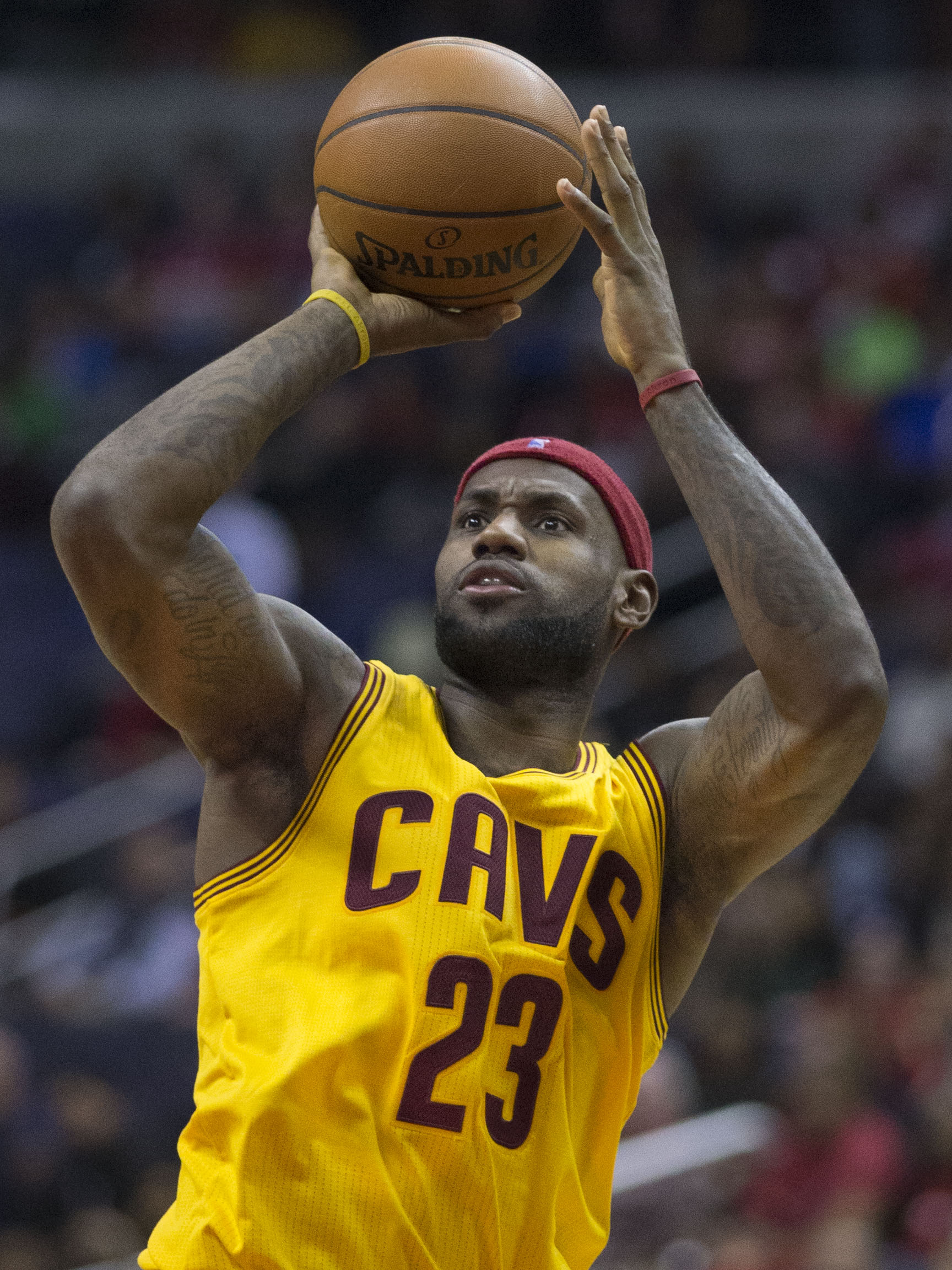

The air in Akron, Ohio, in the early 2000s, was thick with anticipation, but few could have predicted that the lanky teenager dominating the basketball courts would eventually redefine the meaning of athletic wealth. LeBron James, the boy from the humble streets of Northeast Ohio, didn't just become an NBA legend; he engineered a financial empire that now dwarfs the fortunes of many corporate titans. His journey from a $63 million contract with the Cleveland Cavaliers in 2003 to a certified billionaire is not just a sports story—it’s a masterclass in leveraging personal brand into generational capital.
For decades, professional athletes were seen as highly compensated employees, their fortunes tied almost exclusively to their playing salaries. LeBron shattered that paradigm. While his on-court earnings are staggering—totaling approximately $480 million over 21 seasons, including the $246 million he’s slated to earn with the Los Angeles Lakers through his current deal—these figures are merely the foundation. The real genius lies in the deals he struck off the court, beginning with the landmark, and ultimately, lifetime partnership with Nike.
In 2015, James signed a deal with the sportswear giant that was unprecedented in its scope and scale: a lifetime contract rumored to be worth well over $1 billion. This wasn't merely an endorsement; it was a partnership that reportedly guarantees him annual payments exceeding $30 million, plus royalties and an equity stake in Nike's burgeoning basketball division. "The Nike deal was the inflection point," noted one industry analyst. "It signaled that LeBron was not just a spokesman, but a strategic asset whose value appreciated over time, independent of his performance on the court." It’s a financial structure that rivals Michael Jordan’s enduring success with the Jordan Brand, setting a new benchmark for active athletes.
But James’s financial acumen truly crystallized with the formation of The SpringHill Company. Co-founded with his long-time business partner, Maverick Carter, SpringHill is far more than a production house; it’s a content and consumer engine valued at over $750 million. This media empire has produced everything from the HBO talk show The Shop to feature films like Space Jam: A New Legacy, which grossed $163 million globally. In 2021, the company attracted massive investments from heavy hitters like Nike, Epic Games, and RedBird Capital, solidifying its status as a major Hollywood player. Unlike many celebrities who merely license their name to projects, James and Carter retained significant ownership, ensuring that the upside of their creative output flowed directly back into their balance sheet.
Beyond media, James proved to be a shrewd venture capitalist. His early investment in the fast-casual chain Blaze Pizza, which began with a small stake, has reportedly grown to be worth $40 million. More significantly, his foray into professional sports ownership has been transformative. James initially acquired a 2% stake in Liverpool FC, the storied English football club, which is now valued at approximately $90 million. This success led to an even larger strategic move: becoming an equity partner in Fenway Sports Group (FSG), the colossal sports holding company that owns the Boston Red Sox and Liverpool. FSG’s portfolio is valued at over $8 billion, placing James squarely among the elite echelon of global sports owners, alongside figures like David Beckham and Shaquille O’Neal, though his stake is arguably more diversified and influential.
Real estate, too, forms a substantial pillar of the James wealth portfolio, with holdings estimated to exceed $100 million, including lavish properties in Brentwood and Beverly Hills—investments that appreciate steadily, providing a stable counterweight to the volatility of media and venture capital. When all these streams—the massive NBA salary, the lifetime Nike contract, the valuation of The SpringHill Company, and the diversified investment portfolio—are aggregated, the total net worth of LeBron James currently sits comfortably above the $1.2 billion mark.
Yet, the narrative of LeBron James's wealth is incomplete without acknowledging his commitment to his roots. The LeBron James Family Foundation, through initiatives like the I Promise School in Akron—a $41 million investment—and millions dedicated to college scholarships and community programs, demonstrates a focus on legacy beyond mere accumulation. As he enters the twilight of his playing career, the financial future of LeBron James is less about winning another championship ring and more about cementing his status as a generational business mogul. The speculation now centers not on his next contract, but on whether he will eventually purchase an NBA expansion team, fulfilling the ultimate ambition of transitioning from the highest-paid employee to the ultimate owner.