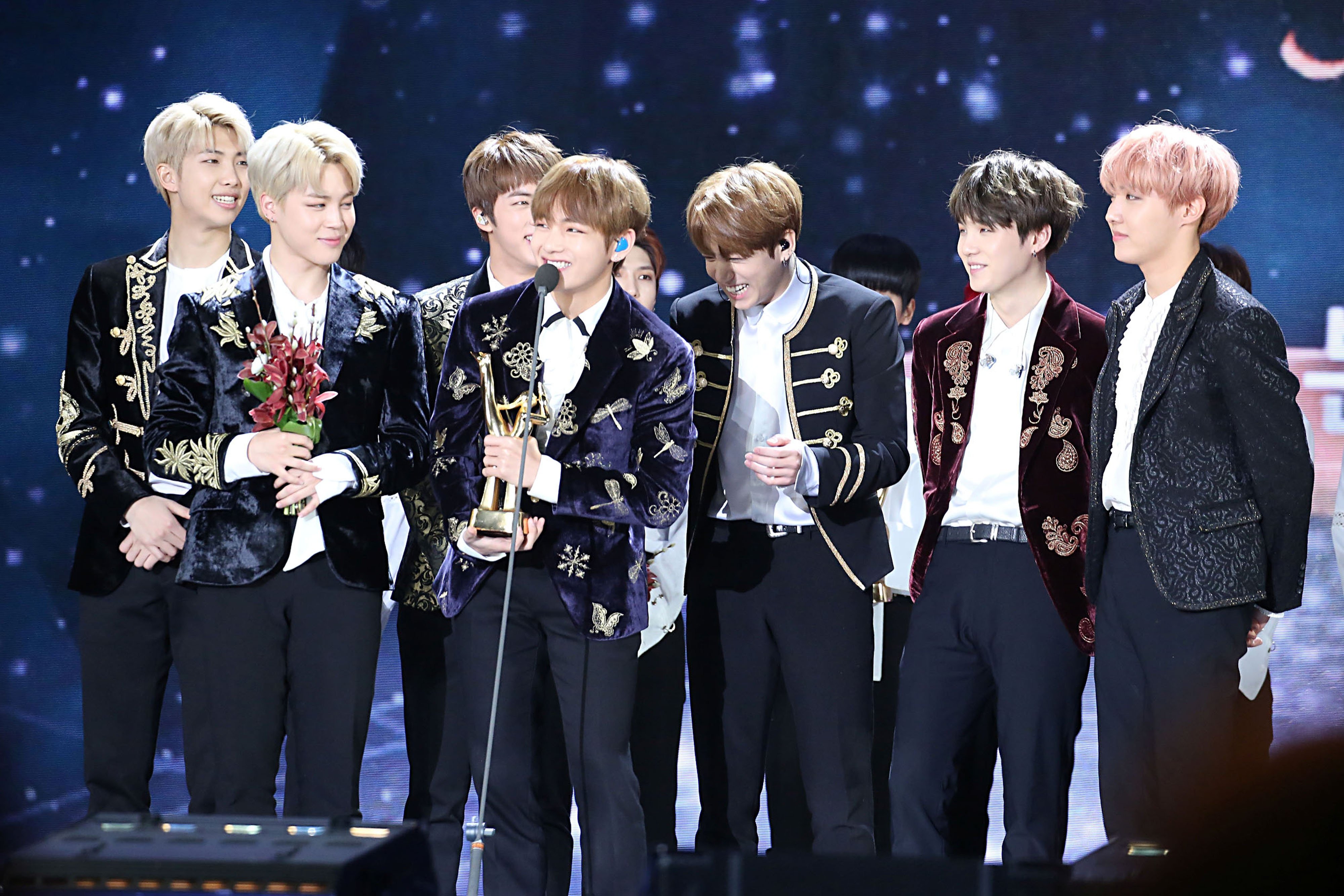

The year was 2013, and the air inside Big Hit Entertainment’s cramped Seoul offices smelled faintly of desperation. The company, a struggling outlier in the monolithic K-pop industry dominated by giants like SM and YG, was teetering on the brink of insolvency. Its founder, Bang Si-hyuk, had one last, audacious roll of the dice: a seven-member boy band named BTS. No one, least of all the industry analysts who scoffed at the group's unconventional, hip-hop-infused debut, could have predicted that these seven young men would not only save the company but become the single greatest economic engine in modern popular music, a phenomenon now valued in the billions.
The early narrative of BTS was one of the relentless underdog. Unlike their peers who were products of rigid, factory-like training systems, BTS was allowed a revolutionary degree of creative control. They wrote their own lyrics, tackled complex social issues, and, crucially, cultivated an unprecedented, direct relationship with their global fanbase, the ARMY, primarily through social media. This strategy, which bypassed traditional media gatekeepers, was the spark. While their initial success was modest within South Korea, the international explosion was detonated in 2017. Their appearance at the Billboard Music Awards marked a pivotal moment, signaling to the West that a new global force had arrived, one that transcended the language barrier that had historically constrained Asian artists.
The financial metrics that followed are staggering. By 2019, BTS was routinely selling out stadiums worldwide, generating revenue streams that dwarfed many Western contemporaries. The true measure of their impact became quantifiable in October 2020 when Big Hit Entertainment, rebranded as HYBE Corporation, launched its Initial Public Offering (IPO). This wasn't merely a stock market event; it was a national celebration. In a move that underscored their value, Bang Si-hyuk gifted each of the seven members—RM, Jin, Suga, J-Hope, Jimin, V, and Jungkook—shares in the company. At the time of the IPO, the value of these shares for each member was estimated to be approximately $8 million. The company’s valuation soared, cementing HYBE’s status as a major entertainment powerhouse, a trajectory that mirrors the disruptive rise of companies like Netflix in the media space.
But the IPO was just the tip of the financial iceberg. The group’s wealth is derived from a complex, multi-layered ecosystem. Concert tours, such as their "Love Yourself: Speak Yourself" stadium tour, generated hundreds of millions of dollars. Their endorsement portfolio reads like a roster of global titans: Samsung, Hyundai, and a high-fashion partnership with Louis Vuitton. Economists at the Hyundai Research Institute estimated that BTS contributes an astonishing $5 billion annually to the South Korean economy, a figure comparable to the contributions of mid-sized industrial sectors. This economic clout is why the South Korean government engaged in serious debate regarding their mandatory military service—a testament to their status as national treasures.
Even as the group entered a planned hiatus for mandatory military service starting in 2022, the financial machine did not slow down; it merely diversified. Each member transitioned seamlessly into highly profitable solo ventures. J-Hope’s solo album releases and festival appearances, Suga’s work as a producer for other major artists, and Jungkook’s record-breaking streaming numbers demonstrate the durability of their individual brands. While their combined net worth as a group is estimated to exceed $150 million, with individual members hovering in the $20-30 million range, these figures are constantly fluctuating upwards as their solo careers thrive. The strategic solo releases ensured that the revenue pipeline remained robust, mitigating any financial dip that might have been expected during a collective pause.
The BTS phenomenon has fundamentally altered the global music industry landscape, demonstrating that authenticity and fan engagement are the new currency. They paved the way for a subsequent wave of K-pop acts, proving that the Asian market is not a niche but a global center of gravity. Their success is a stark contrast to the financial struggles of legacy boy bands whose earnings often peaked and declined rapidly. BTS built a sustainable, diversified empire. As the members complete their service, with a full reunion anticipated around 2025, the anticipation among investors and fans is palpable. Industry analysts project that the reunion tour and subsequent album cycle could shatter previous revenue records, potentially pushing HYBE’s valuation even higher. The story of BTS is not just a tale of musical success; it is a masterclass in modern brand building and financial monetization, a legacy that will continue to reshape the economics of entertainment for decades to come.