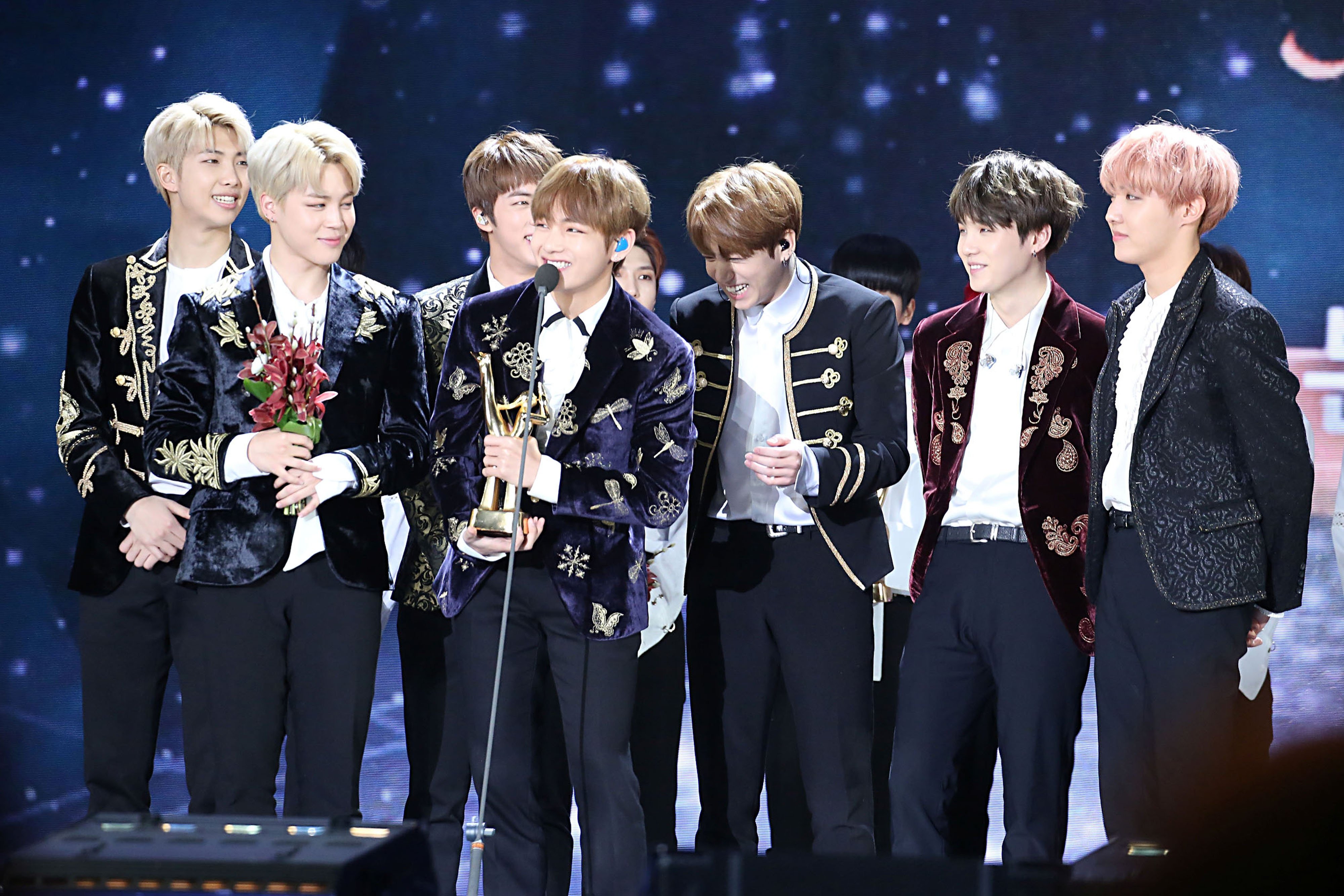

The story of BTS is not merely a tale of musical domination; it is the blueprint for a meticulously engineered, multi-billion-dollar corporate phenomenon that redefined how celebrity wealth is generated, managed, and monetized in the 21st century. From their origins in the fiercely competitive K-pop industry, the seven members—RM, Jin, Suga, J-Hope, Jimin, V, and Jungkook—have amassed a collective net worth conservatively estimated at $150 million, though their true economic impact on South Korea is measured in the billions.
Before the private jets and sold-out stadiums, the members largely grew up in modest, middle-class environments across South Korea, their early lives defined by the rigorous, almost military-like training system of Big Hit Entertainment (now Hybe Corporation). Leader RM, Kim Namjoon, famously honed his skills in the underground rap scene, while Suga, Min Yoongi, struggled financially, often working part-time jobs while pursuing his musical ambitions. They lived together in cramped dorms, sacrificing personal lives for the grueling demands of K-pop stardom, a system notorious for its exploitative contracts and intense pressure.
The true career breakthrough wasn't a single song, but a sustained, strategic campaign culminating around 2017 with the album Love Yourself: Her and the single "DNA." This era marked their successful pivot to the Western market, fueled by unprecedented social media engagement and genuine, often vulnerable lyrical themes. They became the first K-pop group to present at the American Music Awards, signaling the end of their status as regional stars and the beginning of their reign as global icons.
The financial architecture supporting BTS is staggering. Their 2020 IPO of Hybe Corporation was a watershed moment, making the members instant paper millionaires. Each member was granted 68,385 shares, collectively valued at over $8 million at the time of the offering, cementing their status not just as artists, but as stakeholders in the enterprise they helped build. Beyond equity, their concert revenue is legendary. Their 2022 Permission to Dance on Stage tour grossed an estimated $75 million across just 12 dates in North America and Asia, demonstrating the immense global demand for their live performances.
Endorsement deals are equally lucrative; their two-year partnership with McDonald’s for the "BTS Meal" generated massive global sales, and their long-standing relationships with giants like Samsung and Louis Vuitton ensure millions flow into their collective coffers annually. While specific individual salaries remain private, industry analysts estimate their annual individual earnings from music and endorsements alone easily exceed $20 million, placing them in the highest echelon of global entertainers.
As their wealth grew, so did their business ventures, extending far beyond music. Hybe, the company they essentially built, has expanded into gaming, education (with their "Learn Korean with BTS" content), and intellectual property licensing through their highly successful BT21 merchandise line—a collaboration with LINE Friends that generates hundreds of millions in retail sales. This diversification ensures that even during periods of creative hiatus, the financial engine continues to roar.
Their lifestyle reflects their elite status, albeit with a characteristic restraint often required of K-pop idols. Several members, including Jin and RM, have invested heavily in high-end real estate in Seoul's most exclusive neighborhoods, such as Hannam-dong, with individual apartment purchases reportedly exceeding $4 million. While they are known for their significant philanthropy—donating over $1 million to Black Lives Matter in 2020, which their fans matched—the private jets required for their global schedule are a constant reminder of their elite status and the scale of their operation.
The world of BTS is not without its whispers, particularly concerning their mandatory South Korean military service. The debate over whether the government should grant them an exemption due to their massive cultural and economic contributions dominated national headlines for years, highlighting the immense pressure placed upon them. As they navigate these commitments, the focus shifts to individual growth and creative diversification. Solo projects, like J-Hope’s successful Lollapalooza appearance and subsequent album releases, ensure the Hybe machine continues to generate substantial revenue.
The financial trajectory remains firmly upward. Once the group reunites around 2025, the demand for their music and tours is expected to shatter previous records, solidifying their legacy not just as musical pioneers, but as one of the most financially successful and influential entertainment acts of the 21st century, whose wealth is built on genuine connection and strategic corporate architecture.